

The psychology behind decision-making in casinos How emotions influence bets
The role of emotions in gambling decisions
Emotions play a critical role in the decisions gamblers make in casinos. The thrill of winning can create a rush that drives players to take greater risks, often leading to impulsive betting behavior. This excitement can cloud rational judgment, causing individuals to overlook the probabilities involved in their bets. As excitement builds, the emotional high can overshadow logical reasoning, resulting in decisions that are influenced more by feeling than by facts. Players engaging in online poker may experience these heightened emotions during gameplay.

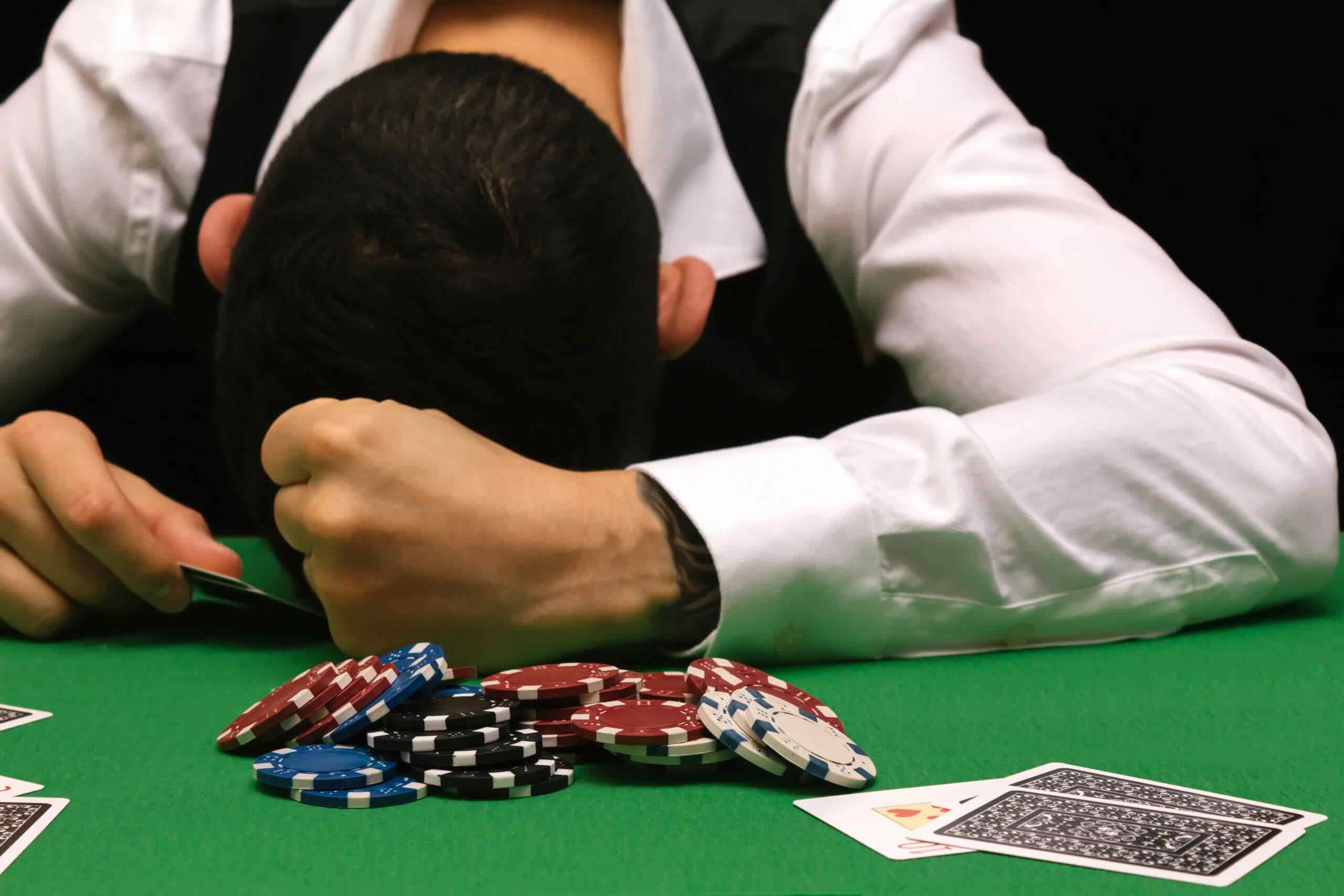
Conversely, negative emotions like frustration or sadness can also impact decision-making. A player who has experienced a series of losses may chase their losses in an attempt to regain control or alleviate feelings of disappointment. This emotional rollercoaster affects how bets are placed and can lead to erratic gambling behavior that ultimately increases the likelihood of further losses.
The impact of cognitive biases in casinos
Cognitive biases significantly influence how players perceive risk and reward in gambling scenarios. One common bias is the illusion of control, where individuals believe they can influence outcomes in games of chance. This can lead to overconfidence, prompting players to make bets based on a false sense of security rather than statistical reality. The more players win, the more they may feel empowered, often ignoring the role of luck and randomness in the process.
Another bias is the gambler’s fallacy, where a player mistakenly believes that past outcomes can predict future results. For instance, if a roulette wheel has landed on red several times in a row, a gambler may wrongly assume that black is “due” to win next. This belief can drive irrational betting patterns and contribute to significant losses when the anticipated outcomes do not materialize.
The influence of social factors in decision-making
Social dynamics also play a vital role in how decisions are made in casinos. The atmosphere created by other players can either enhance excitement or induce pressure. Observing others win can stimulate emotional responses, making individuals more likely to place riskier bets. Peer influence can create a herd mentality, where players follow the crowd rather than relying on their judgment, which can lead to impulsive gambling behavior.
Conversely, social isolation can have a detrimental effect on decision-making. Players who gamble alone may lack the immediate feedback and emotional support that comes from a group setting. This can lead to overthinking and second-guessing decisions, potentially resulting in fewer bets or overly cautious play. Social interactions, whether positive or negative, create an environment that significantly shapes individual decisions at the casino.
The psychological effects of winning and losing
The psychological effects of winning can be profound, often leading to increased confidence and heightened emotional states. A significant win can create a dopamine rush, reinforcing the behavior that led to the win. This chemical response in the brain can make gamblers more likely to repeat their actions, even in the face of poor odds. However, this can also lead to a cycle of addiction, where the need to recreate the feeling of winning takes precedence over rational decision-making.
On the other hand, losing can trigger a range of emotional responses, from frustration to despair. Such feelings can cloud judgment and encourage impulsive behavior as players try to recover their losses. This cycle can perpetuate harmful gambling habits, making it essential for players to be aware of their emotional states and how these feelings might influence their betting strategies.
Understanding the website’s focus on gambling psychology
This website aims to shed light on the intricate psychological dynamics at play in the world of gambling. By exploring how emotions and cognitive biases influence decision-making, visitors can gain a deeper understanding of their own behavior and the factors that drive it. Knowledge of these elements can empower gamblers to make more informed choices, ultimately enhancing their overall experience.
Furthermore, this platform serves as a resource for those interested in the intersection of psychology and gambling, offering insights that can help players navigate the complex emotional landscape of casinos. Through awareness and education, individuals can better manage their gambling behaviors and cultivate healthier attitudes towards betting.